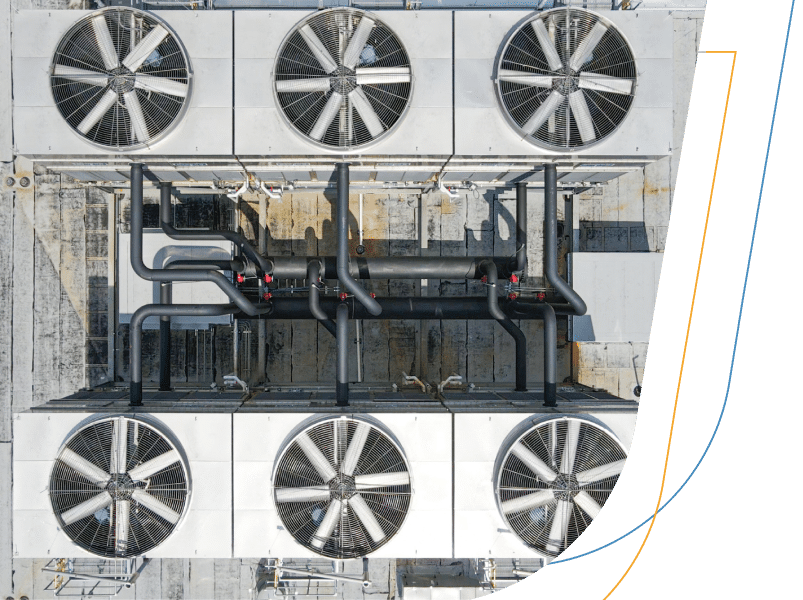
When news broke about the recent Legionnaires’ disease outbreak in New York City, the headlines focused on the human impact. People became ill, lives were lost, and health officials launched an aggressive response, inspecting cooling towers across the affected area and requiring immediate remediation where Legionella bacteria was detected.
By the time an outbreak makes the news, the opportunity for prevention has already passed.
That is the reality our industry must continue to address. That leaves us with an important question: How can we better identify and address these risks before they become a public health crisis?
Cooling towers have long been recognized as a potential source of Legionella when they are not properly maintained. Regulations, water treatment programs, and routine testing all play an important role in reducing risk. Yet outbreaks like this continue to occur.
One of the biggest misconceptions about water management is that a successful inspection means a system is “safe” until the next one. In reality, building water systems are constantly changing. Water chemistry shifts, equipment performance changes and environmental conditions fluctuate. A cooling tower that meets every requirement today can develop conditions tomorrow that support bacterial growth.
Routine testing remains an essential part of every water management program, but it only provides a snapshot in time. Today’s technologies, including continuous water monitoring, automated alerts and integration with building automation systems, give facility teams greater visibility into changing conditions and help identify potential issues before they become larger problems.
Compliance is essential, but it should be viewed as the starting point, not the finish line. Reducing risk requires combining proven maintenance practices with technologies that provide greater visibility into system performance.
Across the Crete United network, our operating companies help customers improve the performance, safety and reliability of critical building systems. Technologies like Electrocell provide continuous water monitoring and real-time visibility into changing water conditions, while actively helping reduce the conditions that support the growth of Legionella and other bacteria. Combined with experienced facility teams and strong maintenance programs, these solutions help building owners identify potential issues earlier and respond before they become larger concerns.
The strongest building health strategies are often the ones no one notices because potential risks are identified and addressed long before they become headlines.
Interested in strengthening your building’s water management strategy? Contact the Crete United team to learn how proactive solutions like Electrocell can help reduce risk, improve system visibility and support healthier buildings.